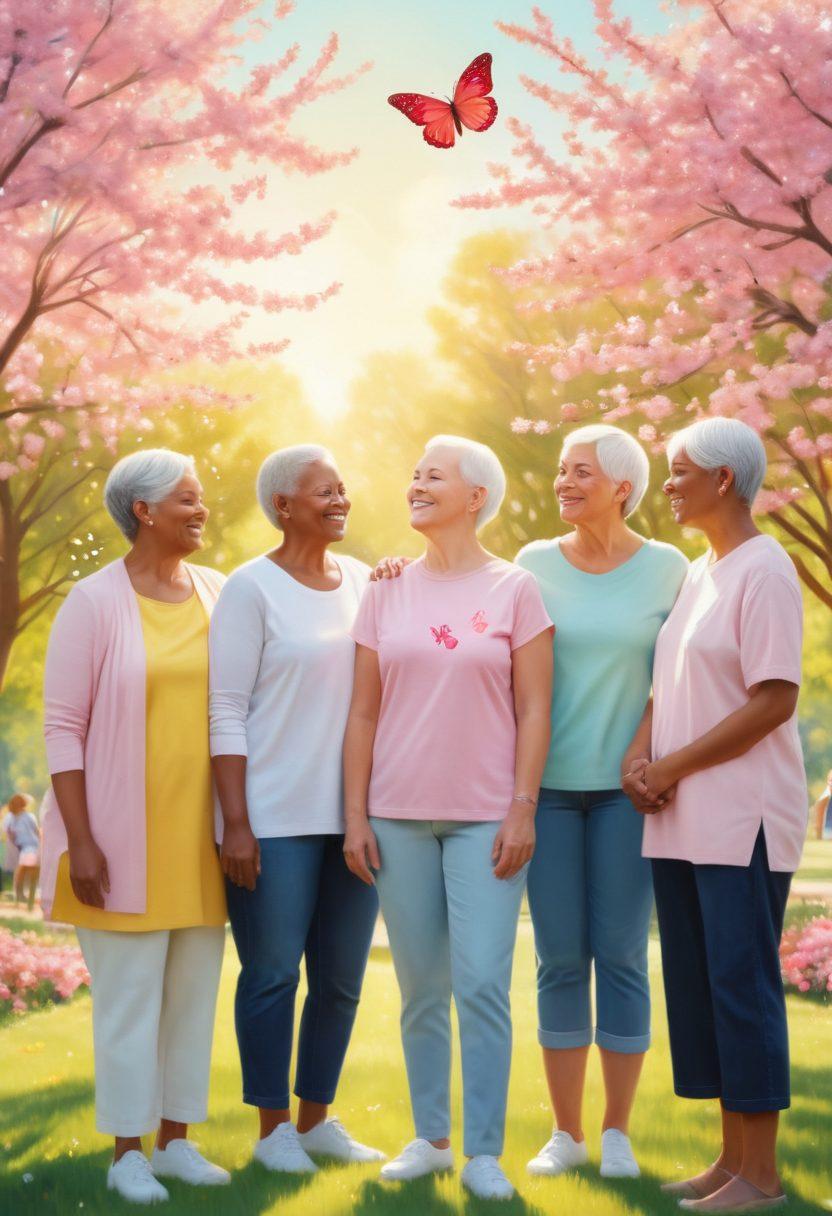
Empowering Survivors: Your Guide to Cancer Awareness and Support
Navigating the oncology landscape can often feel like setting sail on uncharted waters. For those impacted by cancer, whether as patients, caregivers, or loved ones, understanding the ins and outs of cancer awareness and support is not just beneficial; it is vital. As we equip ourselves with health information, we empower ourselves and our communities. Oncology is more than just treatment; it is about fostering a life filled with hope, wellness, and resilience amidst the challenges of cancer. Have you ever wondered how knowledge can transform your journey through cancer?
A generous dose of cancer education is the first step toward effective cancer support. In the cancer community, understanding various treatment options, clinical trials, and new medical research can have a profound impact on survivorship. Often, the unknowns about one's diagnosis can lead to fear and uncertainty. By engaging with patient resources, navigating through health blogs, and grieving or celebrating alongside your fellow survivors, you can find clarity and solace. Each piece of information can serve as a lifeline, pulling us from the turbulent waters into a harbor of understanding and hope. Isn't it reassuring to know that each bit of knowledge you acquire makes the journey just a little less daunting?
Cancer awareness is a critical component of preventive care and early detection. Lifestyle changes that promote healthy living can play a significant role in reducing cancer risk. Eating well, exercising regularly, and managing stress are not just buzzwords; they can literally be life-saving. Think of the stories you’ve heard about individuals whose mere diligence in checking symptoms led to early diagnoses and ultimately, better outcomes. How might your daily habits contribute to your wellness? This is the perfect moment to reflect on the potential power of your choices.
But even with the best plans, the emotional support one receives is irreplaceable. Being in a supportive environment can make all the difference during cancer treatment. Whether it’s through support groups, friends, family, or the online cancer community, sharing emotions can enhance healing and foster a sense of belonging. Imagine walking through this journey backed by a crowd of supporters—do you feel the weight lift just a little? Connecting with others who share your experience can enrich your life in unimaginable ways, reminding you that you are never truly alone.
Lastly, let’s not forget the importance of patient advocacy in the world of oncology. As a patient, being your own advocate can help navigate your journey more effectively, ensuring that your voice is heard in discussions about treatment plans and support options. Many organizations stand ready to assist—you don’t have to reinvent the wheel! Engage with groups that empower you to take charge of your cancer awareness journey. Together, we can amplify our collective experiences and foster a sense of hope and progress that propels us toward a brighter future. How will you begin to advocate for yourself or someone you love today?
From Treatment to Thriving: Empowering Survivors through Community and Wellness
When we think of cancer, images of battle, struggle, and pain may resonate in our minds. However, the narrative surrounding cancer doesn't have to end there. Survivors are emerging everyday, not just to triumph over their illness, but to thrive in new communities built on wellness and strong support systems. The journey from treatment to thriving is not a solitary path; it’s paved with connections, shared experiences, and empowering resources. How can we foster a sense of community that promotes healing and helps cancer survivors reclaim their lives? Let’s dive into how cancer awareness and support play crucial roles in this transformative journey.
Imagine for a moment that you are a survivor, sitting in a cozy room surrounded by a group of individuals who understand your struggles. This vivid image exemplifies the essence of the cancer community, a sanctuary where stories are shared, emotional support is abundant, and laughter intertwines with healing. By cultivating a network of support, survivors are reminded that they are not alone, and that there is strength in vulnerability. You may ask yourself: How can I become a part of this incredible community? The solution lies in embracing patient resources and engaging with organizations committed to cancer support and advocacy. Together, we can create a tapestry of shared wisdom that uplifts us all.
However, the journey of survivorship extends beyond just community engagement. A significant aspect of thriving post-treatment includes making intentional lifestyle changes that promote holistic health. Incorporating wellness practices into daily life is essential not only for physical recovery but also for emotional well-being. Activities such as yoga, meditation, and mindful eating can serve as powerful tools for fostering a balanced lifestyle. Start small—perhaps dedicate ten minutes a day to breathe deeply and reflect on your day. The simple act of cultivating healthy living habits can lead to profound changes over time.
While the physical aspects of cancer treatment receive much attention, we cannot overlook the role of emotional support in the survivorship journey. The stigma surrounding mental health and cancer can isolate many survivors, yet it’s vital to address these feelings openly. Engaging with mental health professionals and participating in support groups tailored for cancer survivors can go a long way toward healing emotional wounds. As you navigate this path, ask yourself, "What strategies work best for me in maintaining my mental and emotional health?" It’s essential to take time for self-reflection and acknowledge the importance of your feelings—your journey is as much about your heart as it is about your body.
Moreover, we must continue to champion cancer awareness and education to advocate effectively for ourselves and others. Staying informed about the latest cancer research, clinical trials, and preventive care options empowers patients and their loved ones in the face of uncertainty. By actively seeking out health information and sharing it within the cancer community, we can advocate for better patient resources and enhance our experiences. As we build a brighter future for survivors, let’s keep the spirit of inquiry alive—what more can we learn, and how can we support cancer education initiatives in our communities? Together, we can transform cancer awareness into a beacon of hope and empowerment.
The Power of Knowledge: Essential Resources for Cancer Education and Emotional Wellbeing
Knowledge is power, especially when it comes to navigating the daunting journey of cancer. For patients and survivors alike, understanding the ins and outs of cancer education can be the beacon of hope in the storm of uncertainty. Whether you or a loved one is facing an oncology diagnosis, or if you simply want to raise cancer awareness, access to essential resources can empower you on this challenging road. As Helen Keller famously said, ‘Alone we can do so little; together we can do so much.’ This collaboration in the cancer community can make all the difference in supporting emotional wellbeing and patient advocacy.
One of the first steps in this journey is to arm yourself with knowledge about various cancer treatments and preventative care options. All the information may feel overwhelming at first, but breaking it down into manageable parts will lead to a clearer understanding. Have you ever wondered how clinical trials work? Are you familiar with new advancements in cancer research and the implications they might have on survivorship? Dive into health blogs that focus on cancer education to find answers; being proactive about your health leads to better wellness outcomes.
The realm of cancer support goes beyond just the medical aspect. Emotional support is crucial and often overlooked. It’s easy to feel isolated in your struggles; everyone has their own battles, but understanding that you are not alone is crucial. Engage with local cancer support groups or online forums where patients share their experiences and resources. Remember, 'A burden shared is a burden halved.' Seek out patient resources that cater not only to the physical challenges of cancer but also to mental and emotional healing. Holistic health approaches can be beneficial, blending modern medicine with lifestyle changes like nutrition, exercise, and mindfulness.
Moreover, consider the corporate responsibility of healthcare providers and advocates. Many organizations dedicate themselves to ensuring that patients receive an adequate amount of cancer education, and actively promote cancer awareness in their communities. Are you taking full advantage of these resources? From informative workshops to support sessions filled with encouragement, the cancer community is full of spaces that foster connection and resilience. Seek out and attend these events to truly engage with others in similar situations.
Finally, become an agent of change yourself. Share your story, participate in awareness campaigns, and advocate for cancer research funding. By being part of the solution, you create ripples in the cancer community, contributing essential knowledge and emotional support to those following in your footsteps. So, what will you do today to empower yourself and others? Remember, it starts with small steps and a commitment to holistic health, continuous research, and a supportive environment. Together, through knowledge and community, we can conquer cancer’s challenges.